6 Best Virtual Pet Apps (2026): Honest Picks for Adults

A good virtual pet is a small trick played on yourself. You know the creature isn’t real, you know nothing happens if you ignore it, and yet you open the app anyway because something in there is counting on you. That instinct is old. Tamagotchi sold tens of millions of units on it in the late 90s, and the apps that have inherited the idea are quietly some of the stickiest software on your phone.
The trouble with searching “virtual pet app” is that the category has split into very different things wearing the same name. Some are pure games where you feed an alien and play minigames. Some are self-care tools where the pet is a wrapper around journaling and mood tracking. A few attach the pet to a real-world goal, like exercise, so it only grows when you do. They look alike in a screenshot. They do completely different jobs.
This is a roundup of the ones worth your time in 2026, with an honest note on what each is actually good at, whether it’s free, which platforms it runs on, and who it suits. I checked every app’s current store listing before writing about it, and I’ll say which I’d pick for a few common situations.
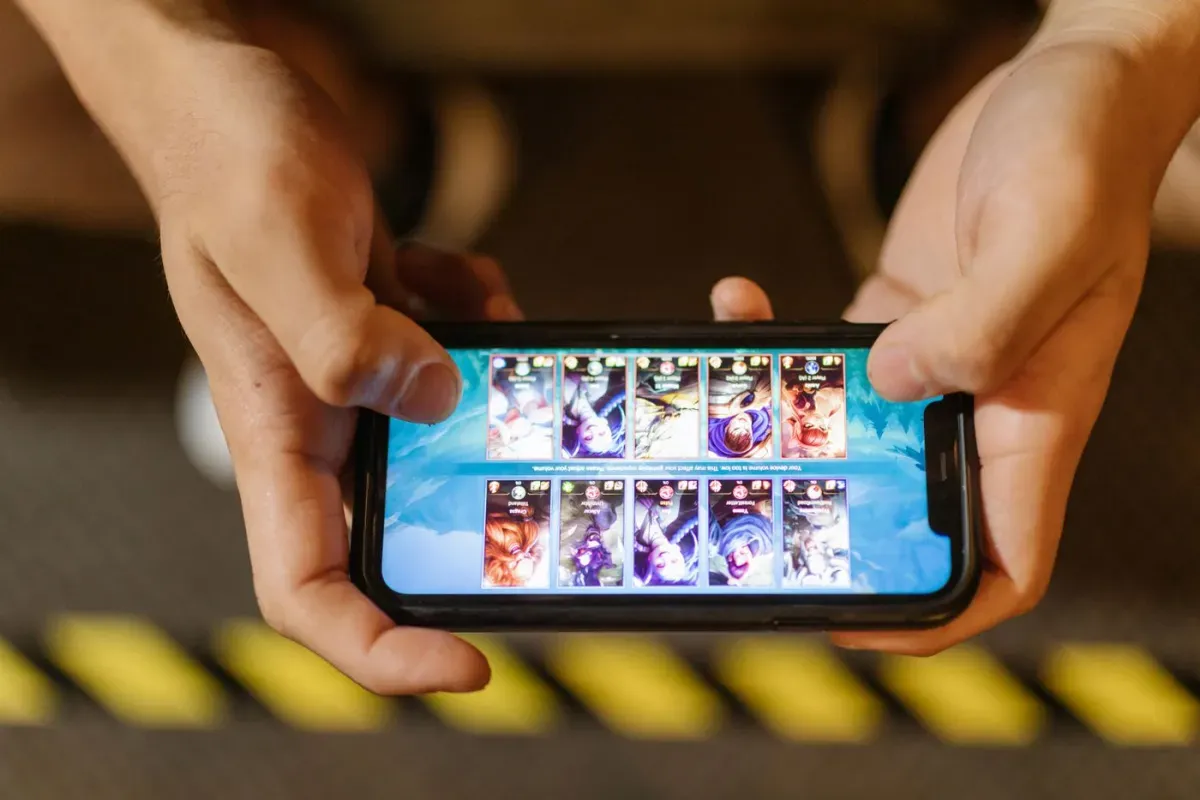 Photo: RDNE Stock project / Pexels
Quick picks
| If you want… | Best app | Platform | Price |
|---|---|---|---|
| A pet tied to mood and self-care | Finch | iOS, Android | Free + subscription |
| To co-parent a pet with friends | Pokipet | iOS, macOS | Free + IAP |
| The faithful retro Tamagotchi feel | My Tamagotchi Forever | iOS, Android | Free + IAP |
| A playful cat with minigames | Bubbu | iOS, Android | Free + IAP |
| A nostalgic alien to raise | Pou | iOS, Android | $1.99 |
| A pet that grows off your real workouts | TrainWiz | iOS, Android | Free + premium |
Finch: the self-care pet that adults actually keep
If one app proved that grown-ups will care for a digital creature, it’s Finch. You hatch a bird, name it, and then “feed” it by doing small self-care exercises: a morning check-in, a breathing session, a journal entry, ticking off a goal. The bird grows as you do, evolving through life stages, and going on little adventures funded by your good habits.
What it does well
Finch’s quiet genius is that the pet never nags you. The progression does the motivating. Each milestone unlocks new content, so returning feels rewarding rather than obligatory. The scale backs this up: as of early 2026 Finch had reached roughly 10 million users and around $30–40 million in annual recurring revenue, all bootstrapped with no venture money, with a base that skews about 75% women aged 25 to 35 (Sparrow Apps analysis). Paste Magazine called it an app that “promotes self-care with cute virtual pets,” and that framing is exactly right (Paste).
Where it falls short
It is a wellness app first and a pet game a distant second. If you want minigames and customization for their own sake, Finch will feel slow and earnest. The genuinely useful tools (more goals, deeper journaling, the full collection) live behind Finch Plus, which runs from around $5.99 up to $69.99 depending on the plan, per its App Store listing.
Who it’s for
Adults who want a gentle pet attached to mental-health habits, not entertainment. It is the benchmark every other self-care pet gets measured against, which is why we cover the whole genre in our roundup of apps like Finch.
Pokipet: raise a pet with your friends
Pokipet takes the lonely act of keeping a virtual pet and makes it social. You adopt a cat or dog and can co-parent it with friends, family, or coworkers, sharing the daily duties of feeding, exercising, cleaning, and the occasional vet visit. Work together and the pet thrives; let everyone slack and it suffers.
Features
The pet grows through real stages, learning to stand, walk, run, and play as you keep up with its needs. The multiplayer hook is the differentiator: “co-parent a pet with your friends and work together to ensure your pet’s daily needs are met,” as the listing puts it. Apple liked it enough to make it an Editors’ Choice pick, and it carries a strong 4.6 stars from around 12,000 ratings on its App Store page.
The trade-offs
It’s free to play with in-app purchases from $0.99 to $9.99 for boosters and cosmetics, so the usual freemium nudges apply. It’s also iOS and macOS only right now, which rules out anyone on Android who wants to share a pet with iPhone friends.
Who it’s for
Couples, friend groups, or families who want a shared low-stakes responsibility. The social accountability is the point, and it’s the same lever that makes shared streaks work. If that appeal lands, the wider virtual pet games genre has more to explore.
My Tamagotchi Forever: the original, modernized
Bandai Namco’s official mobile Tamagotchi is the closest thing to the keychain you might remember, minus the battery anxiety. You hatch a character, keep it fed, washed, and entertained, and watch it evolve into different Tamagotchi forms depending on how you raise it.
What’s good
It nails the nostalgia. The care loop is simple and forgiving, the town you wander adds light exploration, and the minigames are pleasant time-fillers. Crucially, Bandai Namco built it as a genuinely free-to-play game rather than a paid nostalgia tax, so the door is open to everyone (Bandai Namco announcement).
The honest read
It is sweeter and more childlike than Finch or Pokipet, and the free-to-play structure means ads and in-app purchases are part of the experience. There’s no deeper goal here. The pet exists to be cared for, full stop, which is either exactly what you want or not enough. If the retro itch is what’s driving you, our guide to the modern Tamagotchi app landscape goes deeper.
Who it’s for
Anyone chasing the 90s feeling who wants the official, polished version rather than a clone.
Bubbu and Pou: the playful classics
These two are the comfort food of the category. They have been around for years, they are aimed younger, and they do one thing: give you a cute creature to play with.
Bubbu
Bubbu is an emotional, expressive cat you feed, dress up, and entertain across more than 30 minigames, from puzzles to a tiny rhythm game. You decorate a cat villa and generally fuss over a pet that visibly reacts to your attention. It’s free with in-app purchases and sits around 4.2 stars from 2,300 ratings on its App Store listing. It’s a charming, busy little world, and it knows its audience leans young.
Pou
Pou is the friendly brown alien millions of people raised on the bus to school. You feed it, clean it, put it to sleep, brew potions in a lab, and dress it up, watching it level up as you go. It is the rare paid app here at $1.99 upfront with optional purchases, and it runs across the whole Apple lineup including Mac and Apple TV, per its App Store page. It’s dated, and that’s most of the charm.
Who they’re for
Players who want pure, undemanding pet play with no self-improvement agenda attached. Great for kids or for a nostalgic adult who just wants something gentle to poke at.
How to choose the right virtual pet app
Strip away the cute art and there’s really one question: do you want the pet to be the whole point, or do you want it to make you do something else?
If the pet is the point, pick on vibe. Pou and Bubbu for playful nostalgia, My Tamagotchi Forever for the faithful retro feel, Pokipet if you want friends in it with you. None of these is trying to change your life, and that’s fine.
If you want the pet to pull you toward a real habit, the calculus changes. Now the question is which habit, and does the pet genuinely depend on it? This is where most virtual pets quietly fail their owners. A pet you feed with tapping rewards tapping. A pet you feed with journaling, meditation, or a workout rewards the thing you actually wanted to build. Reviews of gamified health apps consistently find that game elements work by tapping intrinsic motivators like progression and surprise, offering “a spontaneous route to behavior change” rather than relying on willpower (Nurmi et al., 2020, JMIR).
That’s the same psychology we unpack in our piece on fitness gamification: the pet closes the gap between effort today and a payoff that’s otherwise too far away to feel. Be honest about your own wiring. A purely decorative pet you stop opening helps nobody.
 Photo: RDNE Stock project / Pexels
Where TrainWiz fits
If the habit you keep losing to is exercise, this is the entry built for you. TrainWiz is a home-workout app with a companion that levels up off your real workouts. The simplest description is Duolingo for at-home workouts: you do short, doable sets, your buddy grows, and a forgiving streak keeps you coming back. It’s free with a premium tier, and it runs on iOS and Android.
The difference from a Finch or a Pou is what the pet is fed. Here it grows on movement, not taps, so showing up in your living room finally feels like it counts toward something. A companion that depends on you tends to beat willpower aimed at yourself. The quests are deliberately small, which lowers the activation energy that kills most attempts at a new routine, and the streak is built to survive a normal week rather than punish you for one missed day. It won’t replace a self-care journal, and it isn’t trying to. It’s the pick for people whose pet should reward real exercise.
One reality check before you download anything. The best virtual pet app is the one whose loop fits a thing you genuinely want to do more of. If that thing is movement, see our guides on how to motivate yourself to work out and the underlying science in our gym motivation guide. If you want the bigger map of the category, our hub on virtual pet apps for adults connects all of it.
Frequently asked
- What is the best virtual pet app?
- There isn't one winner, because people want different things from a virtual pet. Finch is the strongest pick if you want a pet tied to mood and self-care. Pokipet wins if you want to co-parent a pet with friends. My Tamagotchi Forever is the most faithful retro experience. If you want a pet that rewards real exercise, a workout companion like TrainWiz fits better than any of them.
- Are virtual pet apps free?
- Most are free to download with a paid tier. Finch, Pokipet, Bubbu, and My Tamagotchi Forever are all free with in-app purchases or subscriptions. Pou is the odd one out at $1.99 upfront. Read the fine print, because the genuinely useful features in self-care pets like Finch often sit behind the subscription.
- Are virtual pet apps good for adults?
- Yes, and the most successful ones are built for adults. Finch reached around 10 million users with a base that skews to women aged 25 to 35, by tying a pet to journaling and self-care rather than childish minigames. The appeal is the same psychology behind a Duolingo streak: a small creature that depends on you is a surprisingly strong reason to show up.
- What is the difference between a virtual pet app and a virtual pet game?
- A virtual pet game is mostly entertainment, like Pou or Bubbu, where caring for the pet and playing minigames is the whole point. A virtual pet app usually attaches the pet to a real-life goal, like self-care in Finch or workouts in a fitness companion, so the pet grows when you do something useful offline.
- Can a virtual pet actually help build a habit?
- It can, if the pet depends on something you actually want to do. Reviews of gamified health apps find that game elements like progression and rewards drive engagement through intrinsic motivators rather than willpower. A pet that grows when you journal, meditate, or work out turns an abstract goal into a small daily obligation you don't want to drop.