Booty Workout at Home: Build Glutes, No Equipment
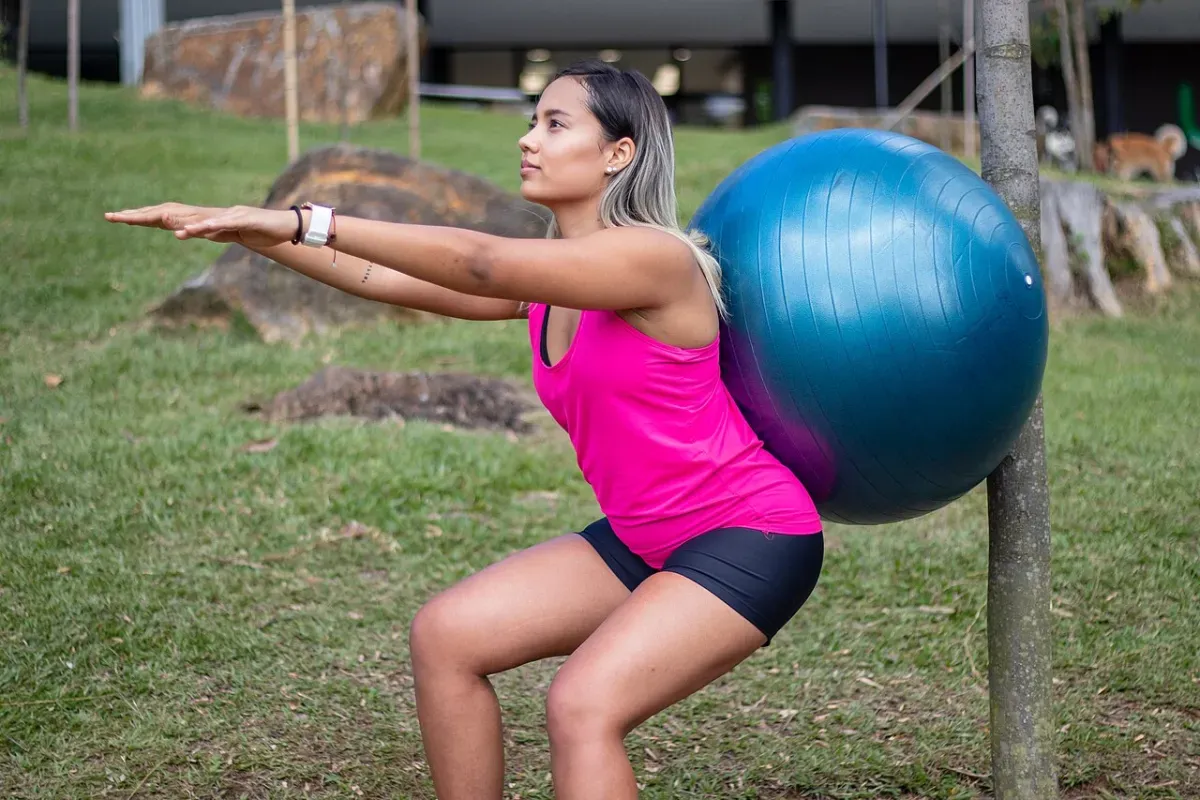
If you sit for most of the day, your glutes have probably stopped doing their job. They’re the largest muscle in your body, and they spend eight hours flattened against a chair doing nothing. Then you stand up and your back and hamstrings quietly take over the work your glutes were built for. The good news is you can wake them back up and build them from your living room floor, and you don’t need a single piece of equipment to start.
This is part of our home workout series, and the glutes are the area most people get wrong, usually by doing endless squats and wondering why nothing changes.
The short answer
A solid booty workout at home is three movements, done well: squats, a hip thrust or glute bridge, and lunges. Add donkey kicks or a lying hip abduction for the side glutes. Do this two to three times a week, push each set close to failure, and progress over the weeks by slowing the tempo or moving to single-leg versions. No equipment required to begin.
The hip thrust is the one most people skip, and it’s the one that targets the main glute muscle hardest. The EMG numbers below show why.
A quick map of the muscles you’re training
Your “booty” is three muscles, and a good workout hits all of them.
- Gluteus maximus. The big one, the powerhouse behind hip extension (standing up, climbing stairs, sprinting). This is what gives the glutes their shape, and it responds best to hip thrusts and bridges.
- Gluteus medius. Sits on the upper side of your hip. It stabilizes you when you stand on one leg and stops your knees from caving in. You train it with abduction moves and single-leg work.
- Gluteus minimus. The small muscle underneath the medius, doing similar stabilizing work.
This matters most for people who sit all day. Long hours in a chair leave the glutes underactive, so the body recruits the lower back and hamstrings to compensate during everyday movement. Coaches often call this “dormant butt syndrome,” and the fix isn’t stretching, it’s deliberately loading the glutes until they remember how to fire. That describes a lot of us. The WHO reports that 31% of adults don’t get enough physical activity, and inactive people carry a 20 to 30% higher risk of death than active ones.
The squat: your foundation
The squat trains the glutes, quads, and core in one move, and it’s the easiest place to start because you already do a version of it every time you stand up.
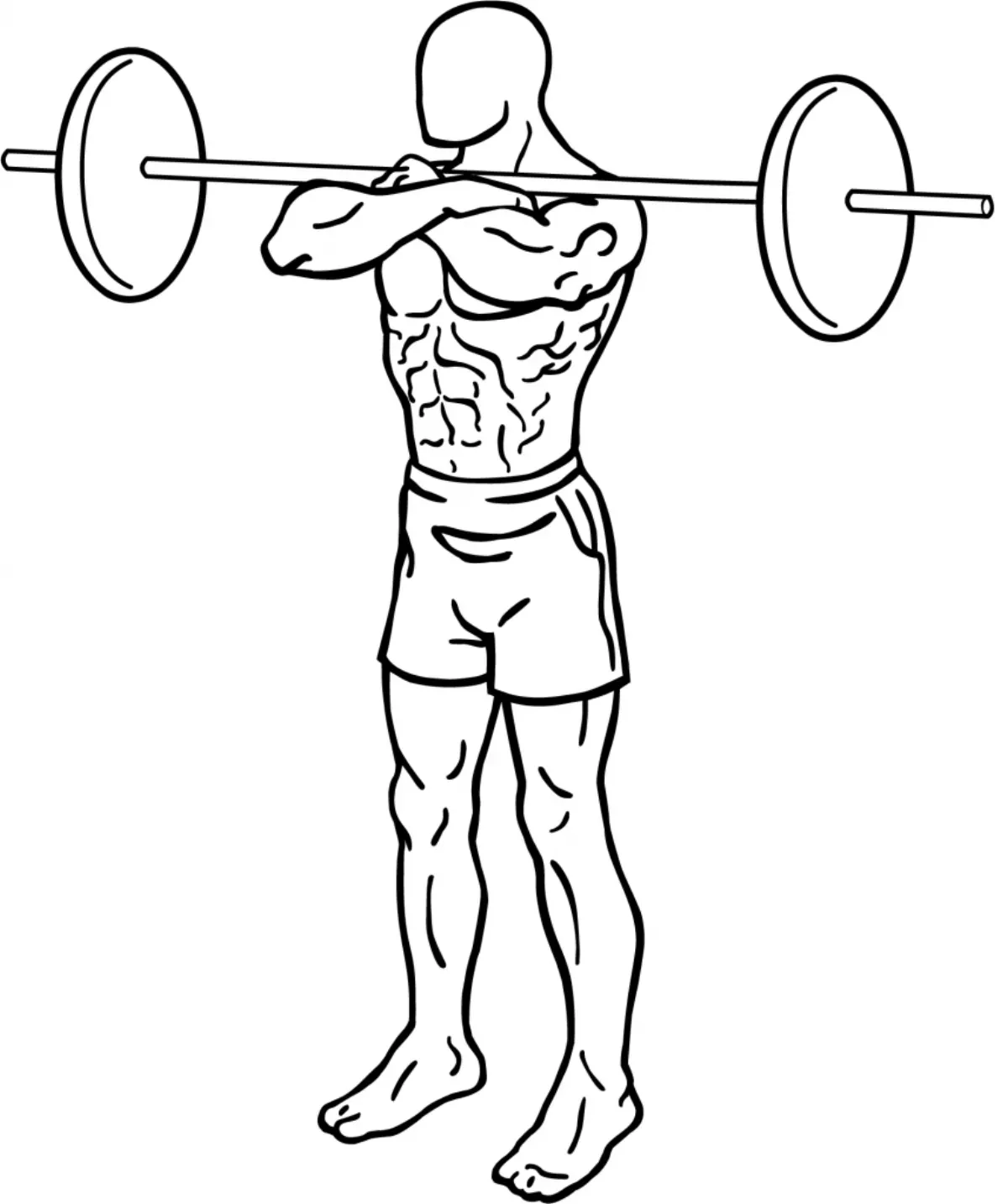 Illustration by Everkinetic via Wikimedia Commons (CC BY-SA 3.0)
How to do it
- Stand with feet a little wider than your hips, toes turned out slightly.
- Push your hips back as if reaching for a chair behind you, then bend your knees.
- Lower until your thighs are roughly parallel to the floor, keeping your chest up and your weight in your heels.
- Drive up through your heels and squeeze your glutes hard at the top. That squeeze is where the glute work actually happens.
Start with 3 sets of 12 to 15. The squeeze at the top matters more than how fast you go. If you feel it only in your quads and never in your glutes, you’re probably staying too upright or not pushing your hips back far enough.
Glute bridges and hip thrusts: the king for glute max
If you do one thing for the size and strength of your main glute muscle, make it this. The glute bridge and its bigger sibling, the hip thrust, load the gluteus maximus through the exact motion it’s built for: driving your hips forward.
The glute bridge (floor version)
- Lie on your back, knees bent, feet flat on the floor about hip-width apart, heels close to your butt.
- Push through your heels and lift your hips until your body forms a straight line from knees to shoulders.
- Squeeze your glutes hard at the top and hold for a second.
- Lower with control. Don’t just drop.
Do 3 sets of 15 to 20. To feel the difference between a bridge and a back exercise, focus on driving with your heels and tucking your pelvis slightly so your lower back stays neutral.
The hip thrust (couch version)
Rest your upper back (shoulder blades) on the edge of a sturdy couch or bed, feet planted on the floor, and drive your hips up the same way. The raised shoulders give you a bigger range of motion, which is why the hip thrust is the more powerful version.
The research backs this up. In a 2015 study, Contreras and colleagues compared muscle activity in the back squat and the barbell hip thrust using EMG. The hip thrust produced significantly higher activation in both the upper and lower gluteus maximus than the squat at matched loads. So while squats are great, the thrust is the more direct route to the glute max. Both belong in your week.
Lunges: train one leg at a time
Lunges force each glute to work on its own, which exposes (and fixes) the strength gap most people have between their left and right sides. They also bring the gluteus medius into play because your hip has to stabilize a single leg.
Reverse lunges
Stepping backward instead of forward keeps more weight in the front heel and tends to be kinder on the knees.
- Stand tall, hands on hips.
- Step one foot back and lower until both knees are bent around 90 degrees, front thigh roughly parallel to the floor.
- Push through the front heel to stand, squeezing that glute.
- Alternate legs. Aim for 3 sets of 10 per side.
Walking lunges
Once reverse lunges feel easy, walk them forward across a room, stepping straight into the next lunge. The continuous motion adds a balance and endurance demand the static version doesn’t have.
Donkey kicks and hip abduction for the side glutes
Squats, bridges, and lunges hit the glute max and some of the medius. To round out the side and upper glutes, add one of these.
- Donkey kicks. On all fours, keep your knee bent at 90 degrees and drive one heel toward the ceiling, squeezing the glute, without arching your lower back. 3 sets of 15 per side.
- Side-lying hip abduction. Lie on your side and lift the top leg straight up toward the ceiling, slow and controlled. This isolates the gluteus medius, the muscle that keeps your knees tracking properly. 3 sets of 15 per side.
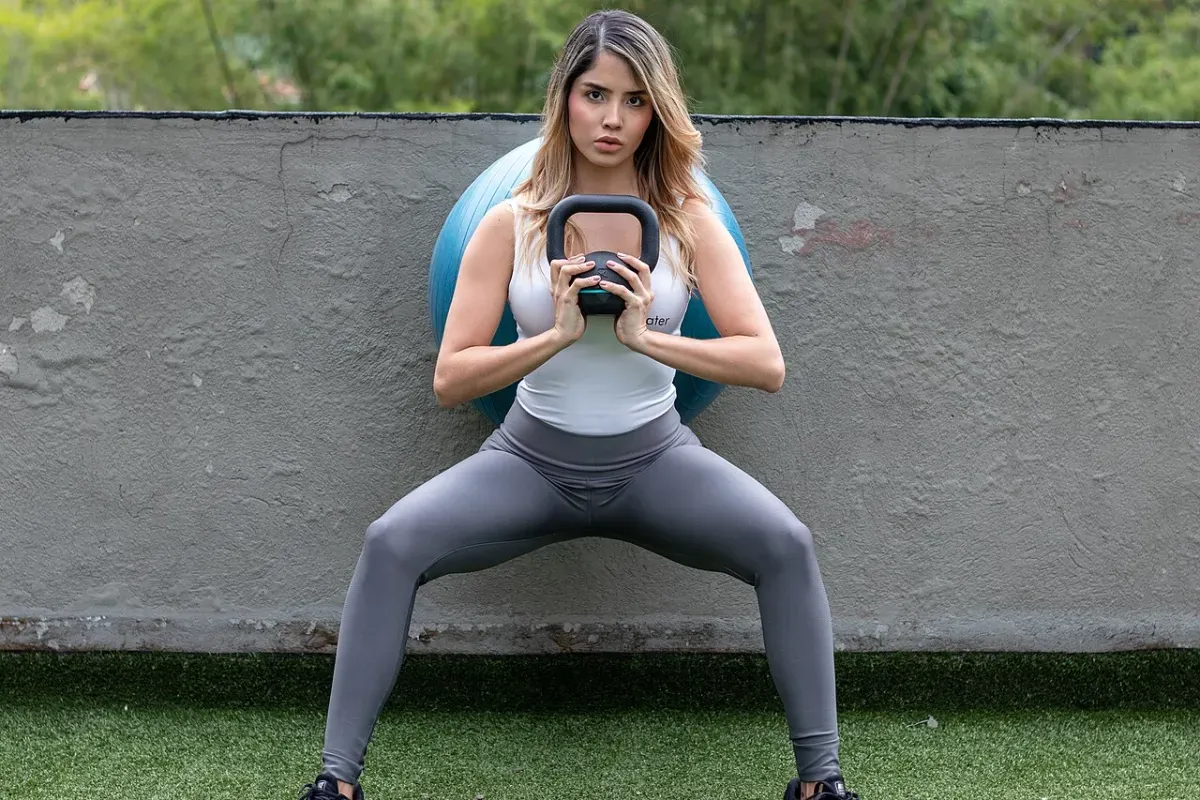 Photo by PTPioneer via Wikimedia Commons (CC BY 2.0)
How to keep progressing without weights
Muscles grow when you keep challenging them. If you do the same 15 squats forever, your glutes adapt and then stop changing. So you have to make the work harder over time, and you can do that without buying anything.
- Slow the tempo. Take three seconds to lower into a squat or bridge, pause for one second at the bottom, then rise. Time under tension is a real driver of muscle growth, and slowing down quietly doubles the difficulty of a bodyweight move.
- Go single-leg. A single-leg glute bridge loads one glute with your full bodyweight. Same for pistol-ish squats to a chair. This is the cheapest way to add resistance you own.
- Add a backpack. Load a backpack with books or water bottles and wear it during squats, bridges, and lunges. It’s a free weight vest, and it lets you keep adding load for months.
- Add reps, then sets. When a set stops feeling hard near the end, add a few reps. When you’re cruising through all your sets, add a fourth.
Eventually, once your glutes are genuinely strong, bodyweight runs out of road and a couple of dumbbells or a kettlebell will take you further. But that’s a problem for week 12, not week 1.
A simple weekly plan
Two or three sessions a week, with rest days between, is the sweet spot. Glutes grow during recovery, not during the workout, so more is not better here.
Twice a week (beginner):
- Day 1: Squats 3x15, glute bridges 3x20, reverse lunges 3x10/side
- Day 2: Hip thrusts 3x15, walking lunges 3x10/side, donkey kicks 3x15/side
Three times a week (intermediate):
- Same as above, plus a third day that repeats Day 1 with slower tempo and side-lying hip abduction added.
Each session takes about 20 minutes. Keep at least one rest day between glute sessions.
Common mistakes
A few of these will quietly cancel out your effort.
- Pushing with your lower back instead of your glutes. If your back is sore after bridges and thrusts but your glutes aren’t, you’re arching and lifting with the wrong muscle. Tuck your pelvis slightly, keep your ribs down, and drive through your heels.
- Letting your knees cave inward. During squats and lunges, knees that collapse toward each other take the work off the glutes and put strain on the joint. Actively push your knees out so they track over your toes. A weak gluteus medius is usually the cause, which is why the side work matters.
- Doing the same reps forever. Your glutes adapt to a fixed workload in a few weeks and then stop changing. If you never make it harder, you’ll plateau. Use the progression tactics above.
- Expecting results in two weeks. This is the one that makes people quit. Strength changes show up in 4 to 8 weeks; visible shape takes longer. Habit research backs the patience: a 2024 meta-analysis found new health habits take a median of around two months to feel automatic, with a huge individual range. Judge this at week 8, not day 14.
Make the habit stick
The hardest part of a home booty workout isn’t the squats. It’s doing them again next week, and the week after, long enough for your glutes to actually change. Most people don’t quit because the workout is too hard. They quit because nothing visible happens by day 14 and the routine never becomes automatic.
If motivation is the real wall, our guide to staying motivated to work out goes deeper, and our gym motivation piece covers the mindset side. For the rest of your body, see our arm workout at home and chest workout at home guides.
Frequently asked
- Can you build glutes at home without equipment?
- Yes, especially if you're newer to training. Bodyweight squats, glute bridges, hip thrusts off a couch, and lunges give your glutes enough load to grow when you push the reps close to failure and add tempo or single-leg versions over time. The cap comes later, once your glutes get strong enough that you need real resistance to keep progressing, which is when a backpack or a few dumbbells start to matter.
- How often should I do a booty workout at home?
- Two to three times a week, with at least a day between sessions so the muscle can recover and rebuild. Daily glute work isn't better; the growth happens on the rest days, not during the session. Three focused 20-minute sessions a week beat seven rushed ones.
- How long until I see results from glute exercises at home?
- Most people notice strength and a firmer feel in 4 to 8 weeks, with visible shape changes taking longer and depending heavily on consistency. Habit research suggests new routines take a median of about two months to feel automatic, so the timeline for the habit and the results roughly overlap. Two weeks is too soon to judge anything.