How to Do Chest Stretches for Better Posture
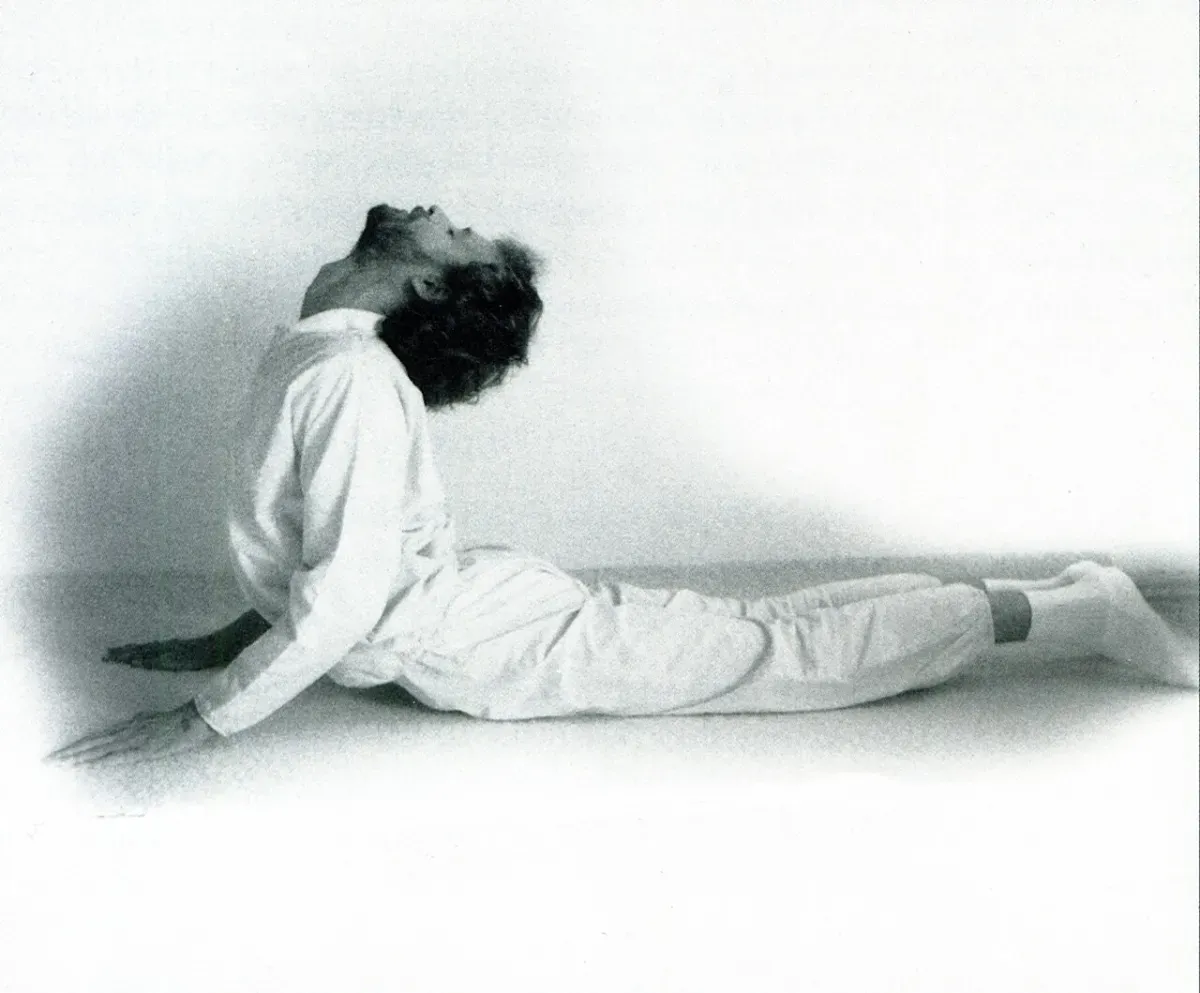
A daily routine of holding a doorway chest stretch for 30 seconds, repeated five times, will shift your shoulder blades back into a neutral position. To fix rounded shoulders, you must physically lengthen the muscles on the front of your chest. Posture correction requires consistent tension applied over time. Expensive equipment is unnecessary. Find an open doorway and pay strict attention to your joint angles. Give your tissues the patience they need to adapt.
The Anatomy of Chest Tightness
You cannot change your posture long-term without understanding the tissues responsible for pulling your skeleton out of alignment. The chest is a dense web of muscle fibers designed to move your arms across your body.
The Pectoralis Major and Minor
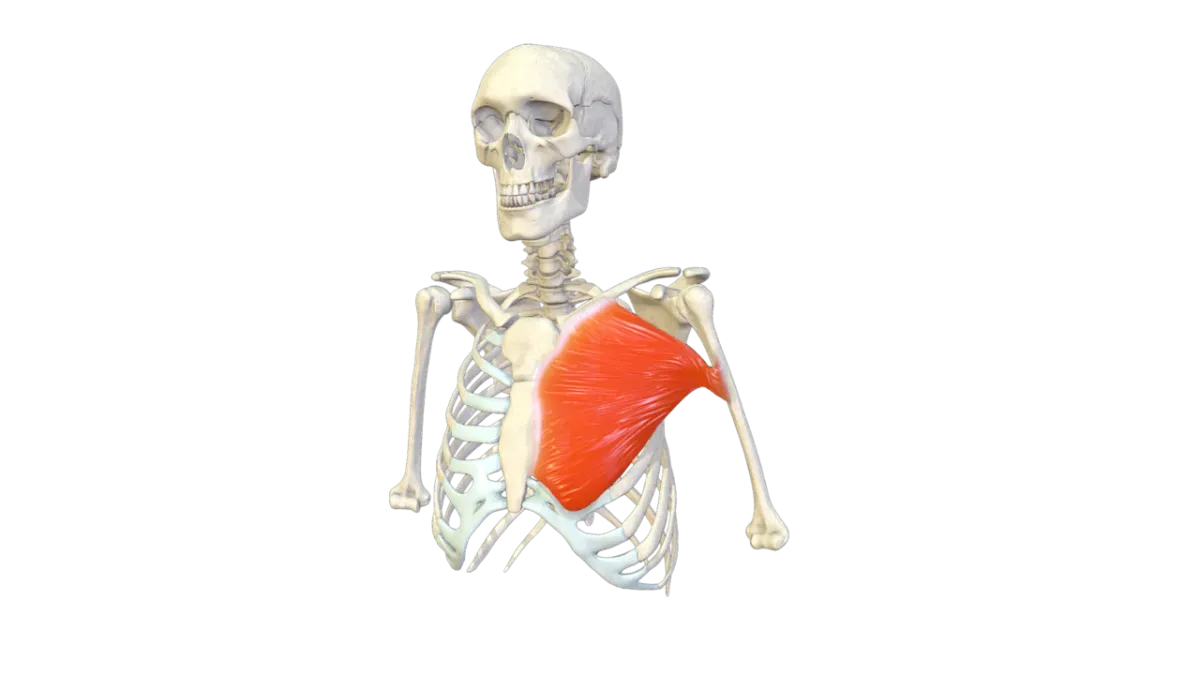 Illustration by DrJanaOfficial via Wikimedia Commons (CC BY-SA 4.0)
The front of your torso is dominated by two primary muscles on each side. The pectoralis major is the large surface muscle that covers the upper chest. It attaches to the collarbone, the sternum, and the upper arm bone. Its main job is to bring the arm across the body and rotate it inward.
Underneath this large surface muscle lies the pectoralis minor. This smaller triangular muscle runs from your upper ribs to a small bony hook on the shoulder blade called the coracoid process. Because of its direct attachment to the shoulder blade, the pectoralis minor plays a massive role in your overall posture. When this muscle becomes chronically tight, it pulls the shoulder blade forward and tips it downward over the rib cage. This anatomical shift creates the visual appearance of a hunched back.
How Desk Work Changes Your Posture
The human body is highly efficient. It will adaptively shorten muscles that are rarely stretched to their full length. Sitting at a computer for eight hours a day places your arms in front of your torso. Gravity pulls your chest downward. Your hands rest close together on a keyboard.
In this environment, your chest muscles remain in a shortened state. Over months and years, your nervous system accepts this limited length as the new normal. The tissues stiffen. Your upper back muscles become overstretched and weak in response. The shoulders pull forward and settle into this new default position.
Recognizing True Muscle Tension
Muscle tension usually presents as a broad, dull ache. When you stretch a tight chest muscle, the sensation spans across the belly of the tissue. It feels like a thick rubber band being pulled to its limit. This sensation is normal and safe.
It is crucial to distinguish this muscular tightness from joint pain. A joint issue typically feels sharp. It isolates to a single spot, often mimicking a pinch inside the shoulder socket. If you feel a sharp pinch, you are compressing joint structures rather than elongating muscle fibers. You must adjust your angle or reduce the depth of the movement until you feel only the broad pull of muscle tension.
How to Do a Doorway Chest Stretch
The doorway stretch is the most accessible and effective way to target the tight tissues of the upper body. It uses the frame of a standard door to lock your arms in place while your body weight provides the stretching force.
Step-by-Step Form Guide
To perform the most effective version of this movement, you must pay strict attention to your arm placement. According to the Cleveland Clinic, you should do the doorway pec stretch by standing in an open doorway with your arms out. Bend your elbows to 90 degrees so your upper arm is parallel to the floor. Place your palms flat on the frame.
Once your arms are anchored, step one leg back and lean your weight forward until you feel the upper chest stretch. Maintain a tall spine throughout the movement. Keep your gaze forward. Do not let your head jut out ahead of your body.
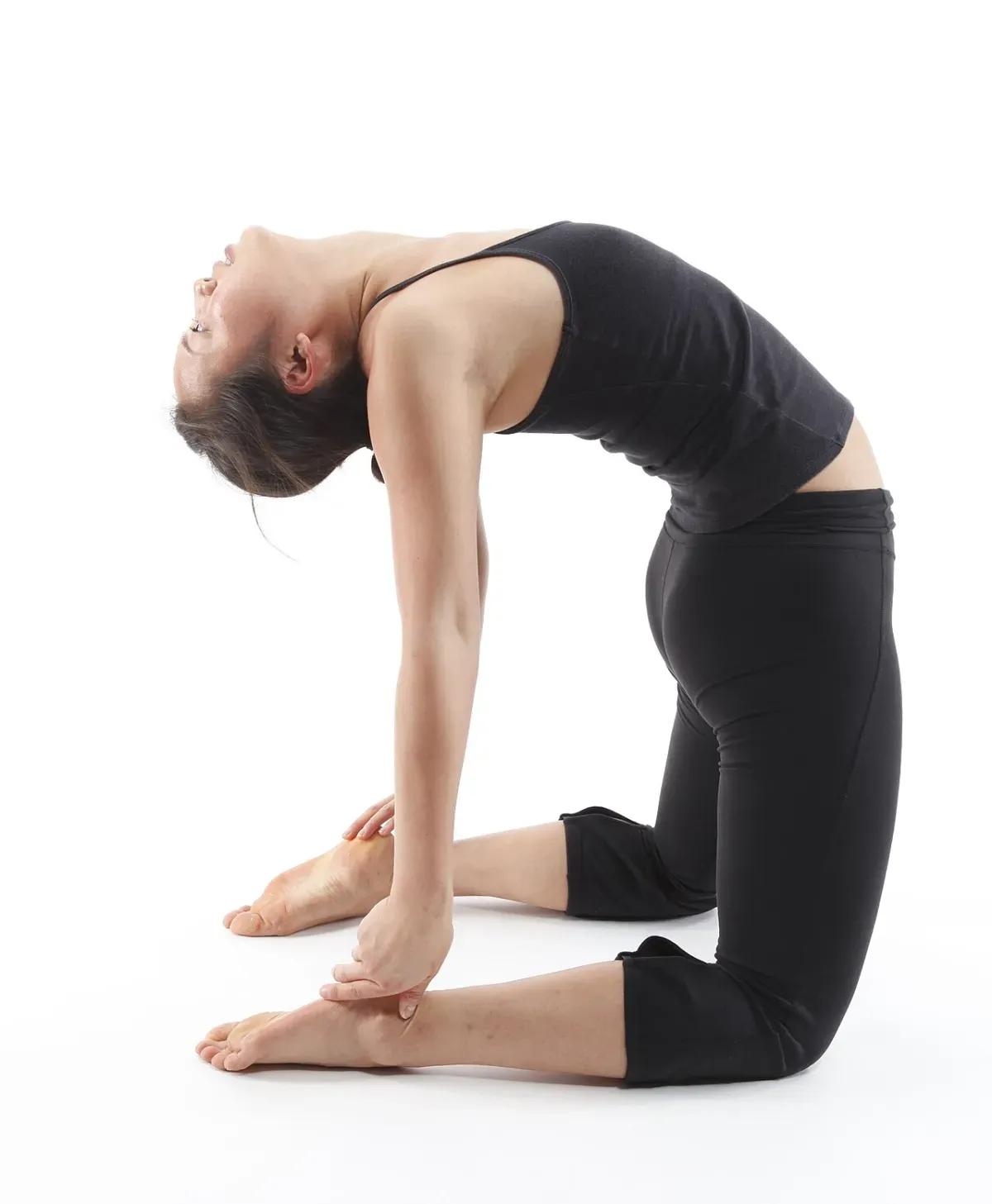 Photo by lululemon athletica via Wikimedia Commons (CC BY 2.0)
How Long to Hold the Stretch
Holding a stretch for a few seconds feels good, but it rarely creates lasting tissue change. An evidence-based dose for the doorway stretch is a 30-second hold repeated 5 times with 10-second rests, according to research published in the J Phys Ther Sci.
The researchers tracked subjects performing this exact routine at 90 degrees of shoulder abduction. The results provided a clear blueprint for posture correction. You must accumulate enough time under tension to signal the nervous system to release the muscle. Two and a half minutes of total stretching time per session yields structural improvements.
What to Expect from Consistent Stretching
Stretching your chest produces concrete changes in your joint mechanics. That protocol significantly increased pectoralis minor muscle length and improved shoulder internal rotation by about 5.8 degrees on the dominant side.
Furthermore, researchers observed that the same stretch shifted the scapula into a more posterior tilt, meaning measurably less rounded-shoulder posture. A posterior tilt means your shoulder blades rest flatter against your upper back. They no longer tip forward over your ribs. This subtle shift in the angle of the scapula opens up your posture completely.
Common Mistakes When Stretching the Chest
Even a highly effective movement will fail if your execution is poor. Many people inadvertently cheat the doorway stretch by moving from their lower back or neck instead of their chest.
Flaring the Rib Cage
When the chest muscles are extremely rigid, the body tries to find an easier path. Instead of allowing the shoulder to extend backward, you might arch your lower back and push your rib cage forward. This completely bypasses the pectoral muscles. It dumps all the physical stress into your lumbar spine. To fix this, squeeze your abdominal muscles lightly before you lean into the doorway. Keep your ribs pulled down.
Hiking the Shoulders Toward the Ears
Tension often travels upward. As you lean into the doorway, your shoulders might shrug up toward your ears. This engages the upper trapezius muscles and creates unnecessary neck tension. Actively pull your shoulder blades down toward your back pockets before you begin the stretch. Keep your neck long and relaxed.
Pushing Through Joint Pain
Aggressive stretching is counterproductive. If you push your body weight too far forward, you will bypass the muscle belly and stress the anterior capsule of the shoulder joint. A mild to moderate pulling sensation is entirely sufficient. Your nervous system will resist aggressive pulling by tightening the muscle further. Relax into the position.
Variations for Different Spaces
You will not always have access to a perfectly sized doorway. Understanding how to modify the chest stretch ensures you can maintain your routine anywhere.
Stretching Against a Flat Wall
If a doorway is too wide, or if you want to isolate one side of your body, use a flat wall. Stand parallel to the wall. Place your right forearm flat against the surface with your elbow bent at 90 degrees. Step your left foot forward. Slowly rotate your torso away from the wall until you feel a deep pull across your right chest. Hold this position, then switch sides. This variation offers excellent control over the intensity of the stretch.
The Lying Floor Stretch
The floor provides a stable environment that uses gravity to assist the stretch. Lie flat on your stomach. Extend your left arm straight out to the side, keeping your hand in line with your shoulder. Press your right hand into the floor near your chest. Slowly roll your body weight onto your left shoulder. You can bend your right leg and plant your foot behind your left knee for stability. This is a deeply relaxing variation.
Seated Chest Openers
Office workers need stretches that can be done without leaving their desks. Sit on the edge of your chair. Reach both hands behind your back and interlace your fingers. Keep your elbows straight. Lift your hands slightly away from your body while pulling your shoulder blades together. Lift your chin slightly and take three deep breaths into your upper chest.
Integrating Chest Flexibility into Your Routine
A single stretching session will not undo years of poor desk posture. You must weave these movements into a consistent physical routine.
Timing Your Stretching Sessions
The best time to stretch is when your body is already warm. Performing a morning stretch routine helps wake up your nervous system and sets a good postural baseline for the day. You can also perform the doorway stretch immediately after a hot shower. Many people find that the warm water helps their chest muscles feel more relaxed and receptive to lengthening.
Pairing Flexibility with Strength
Stretching alone is an incomplete strategy. The Cleveland Clinic emphasizes that flexibility and strength in the upper chest muscles are key to keeping the shoulders from rounding forward. You must strengthen the muscles between your shoulder blades to hold your new posture in place. Exercises like rows and face pulls build the pulling strength required to counteract the tight muscles on the front of your body.
Addressing the Rest of Your Body
Your chest does not exist in isolation. Tight hips and a stiff neck often accompany rounded shoulders. If you are new to mobility work, start by reviewing the principles of stretching for beginners. Once you understand how to control your breathing and manage tension, you can incorporate the doorway chest stretch into a full-body stretch routine to address all the major muscle groups affected by daily sitting.
Medical Red Flags and Safety Protocols
Chest discomfort can stem from multiple sources. You must be able to differentiate between harmless muscle tightness and serious medical emergencies.
Musculoskeletal Pain vs. Heart Attack
Chest pain requires immediate and serious attention. Never assume chest pain is only a tight muscle. The distinction between a minor muscle ache and a severe medical event is critical. According to Harvard Health, musculoskeletal chest-wall pain is usually reproducible by pressing on the chest or with body movement. If you press a finger into your pectoral muscle and it hurts, or if twisting your torso triggers the discomfort, it is likely a muscular issue.
However, you must recognize the signs of cardiac distress. Central pressure or squeezing that spreads to the arm, jaw or back, with shortness of breath, a cold sweat or nausea, can be a heart attack and warrants calling 911 immediately. Do not attempt to stretch away crushing central chest pressure.
Shoulder Impingement Warning Signs
Sharp pinching in the front of the shoulder during a stretch may be impingement, which a physical therapist should assess. This sensation differs entirely from a dull muscle stretch. Impingement occurs when tendons or bursa are compressed against the bones of the shoulder joint. It often feels like a sudden bite deep inside the joint space. Back off immediately if you feel this sharp joint pain.
Modifying for Loose Joints
If you have naturally loose joints, you must approach chest stretching with caution. Hypermobile individuals often feel tight because their muscles are working overtime to stabilize a loose joint capsule. Aggressive stretching can destabilize the shoulder further. Focus more heavily on building strength and explore targeted shoulder stretches that prioritize control rather than maximum range of motion.
Measuring Your Progress Over Time
Postural changes happen slowly. You need reliable ways to track your progress so you stay motivated to continue your daily routine.
Tracking Shoulder Position
The most obvious sign of progress is the physical location of your shoulder blades. Stand sideways next to a mirror in your normal relaxed posture. Take a photo. After three weeks of performing the five sets of 30-second doorway stretches daily, take another photo. You are looking for that posterior tilt. Your shoulders should sit further back, and your hands should hang closer to the side of your thighs rather than resting entirely in front of your hips.
Breathing and Rib Cage Expansion
The pectoralis minor attaches directly to your upper ribs. When it is chronically tight, it restricts how much your rib cage can expand during an inhale. As your chest flexibility improves, you will notice a change in your breathing mechanics. Deep breaths will feel less restricted. You will be able to expand your rib cage laterally without feeling a tight pulling sensation near your collarbones.
Long-Term Maintenance
Once you achieve a neutral shoulder position, your goal shifts from correction to maintenance. You no longer need to stretch aggressively every single day. Performing a few sets of the doorway stretch three times a week is generally enough to maintain the new muscle length. Pair this maintenance dose with consistent upper back strengthening. By addressing both the tissues on the front and the back of your torso, you establish a healthy posture that lasts.
Frequently asked
- How often should I stretch my chest muscles?
- You can perform gentle chest stretches every day to combat poor posture. Consistency matters more than intensity. A daily habit helps your nervous system adapt to the new muscle length over time.
- Why do my shoulders roll forward?
- Prolonged sitting and computer work keep your arms in front of your body for hours. This constant position causes the pectoral muscles to shorten and tighten. Eventually this pulls your shoulder blades forward into a rounded position.
- Can chest tightness cause breathing issues?
- Tight pectoralis minor muscles can restrict the movement of your upper rib cage. This restriction may make deep breathing feel slightly more difficult. Stretching the chest helps open the ribs and supports better respiratory mechanics.